The world is awash in waste, but within that waste lies untapped potential. Take the humble coconut, a symbol of tropical paradise, often leaving behind a significant amount of discarded husks, shells, and fibers. But what if we could transform this seemingly worthless byproduct into something beautiful and valuable? This article explores the exciting and innovative movement turning coconut waste into stunning, high-value art, showcasing the power of creativity and sustainability.
Unveiling Coconut’s Artistic Potential
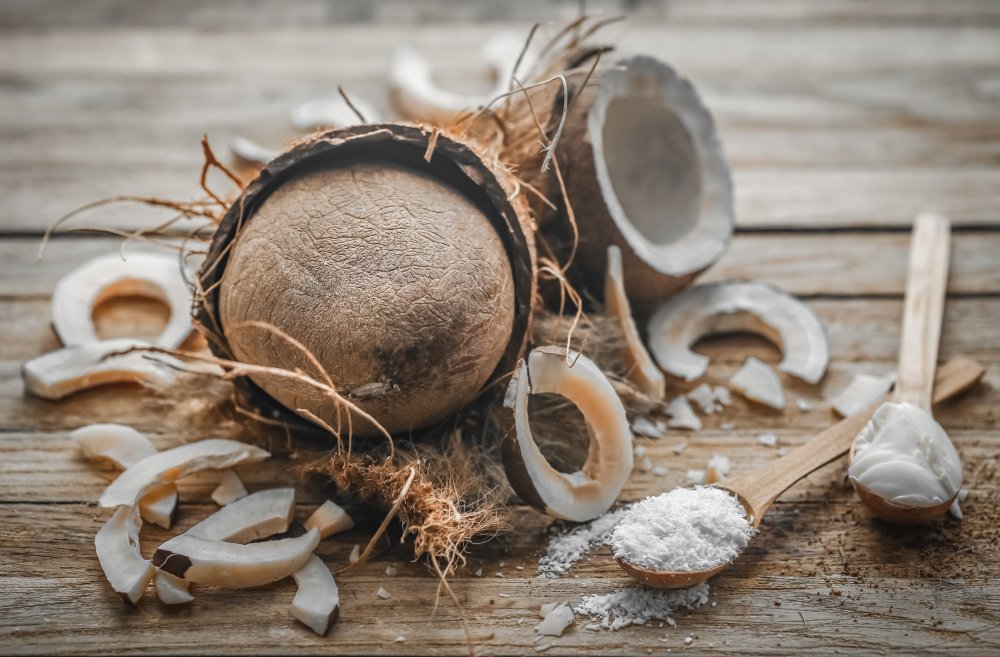
The coconut, in its entirety, is a treasure trove of potential. Its creamy flesh nourishes, its water quenches thirst, and its oil moisturizes. But the discarded parts – the tough outer husk, the fibrous shell, and the inner shell – are often overlooked. These seemingly insignificant remnants, however, possess a surprising array of artistic qualities. The husk’s rough texture lends itself to sculptural forms, its natural fibers can be woven into intricate tapestries, and the smooth, hard shell provides a perfect canvas for carving and painting. The rich, earthy tones and unique patterns found within each coconut offer a natural palette, minimizing the need for artificial dyes and paints. This inherent beauty, previously hidden within the waste stream, is finally being unlocked by visionary artists.
The versatility of coconut waste extends beyond its raw form. Through innovative processes, these materials can be transformed into diverse artistic mediums. The husk, for instance, can be meticulously shredded and compressed to create durable panels, ideal for wall art or even furniture. The fibers can be dyed with natural pigments and intricately woven into baskets, mats, or even clothing. The shells, when carefully carved and polished, become exquisite bowls, lamps, or decorative objects. The possibilities are truly endless, limited only by the artist’s imagination and the ingenuity of their techniques. Each piece becomes a unique expression of both artistic skill and environmental responsibility.
The inherent sustainability of using coconut waste is a significant aspect of its artistic potential. By repurposing these discarded materials, artists are contributing to a circular economy, reducing landfill waste, and minimizing environmental impact. This approach aligns perfectly with the growing global movement towards eco-conscious living, making coconut art not only aesthetically pleasing but also ethically responsible. The natural beauty of the materials further enhances this sustainable appeal, creating pieces that are both visually stunning and environmentally sound. This inherent connection to nature adds another layer of depth and meaning to the art itself.
The inherent organic texture and natural variations in color and pattern found in coconut waste lend themselves to a wide range of artistic styles. From minimalist sculptures that highlight the natural beauty of the material to intricately detailed carvings that tell stories, coconut waste offers a unique canvas for artistic expression. The rough texture of the husk can be contrasted with the smooth surface of the shell, creating dynamic visual effects. The natural color palette, ranging from deep browns and tans to lighter creams, allows for subtle or vibrant artistic interpretations. The possibilities are as diverse as the artists themselves, making coconut waste a truly versatile and inspiring medium.
Transforming Waste into Wonder
The process of transforming coconut waste into art is often as captivating as the finished product itself. It involves a careful selection of materials, meticulous cleaning, and often, intricate handcrafting. Artists may spend hours meticulously separating fibers, shaping husks, or carving shells, imbuing each piece with their time, skill, and passion. This labor-intensive process adds to the value and uniqueness of each artwork, transforming simple waste into something truly extraordinary.
The transformation process is not only labor-intensive but also deeply rewarding. The artists involved often speak of a profound connection to the material, appreciating the natural beauty and resilience of the coconut waste. This connection is reflected in the final product, imbuing each piece with a sense of authenticity and soul. The process itself is a testament to the power of human creativity and ingenuity, turning something that was once discarded into something treasured.
The journey from waste to wonder also involves innovation and experimentation. Artists are constantly exploring new techniques and methods to maximize the potential of coconut waste. They are experimenting with different dyes, finishes, and combinations of materials, pushing the boundaries of what’s possible. This ongoing experimentation ensures that coconut art remains a dynamic and evolving art form, constantly surprising and delighting its audience.
This transformation is not just about the artistic process but also about the economic empowerment it offers. Many artisans, particularly in coconut-producing regions, are finding new livelihoods through the creation and sale of coconut art. This sustainable economic model provides income opportunities, preserving traditional craft skills, and fostering community development. The transformation is thus a powerful catalyst for social and economic progress.
Sustainable Art: A New Medium
The use of coconut waste in art represents a significant shift towards sustainable practices within the art world. It challenges the traditional notion of art materials and embraces a more environmentally conscious approach. By utilizing readily available waste materials, coconut art minimizes the need for resource extraction and reduces the environmental footprint associated with traditional art production.
This sustainable approach aligns with the growing global awareness of environmental issues. Consumers are increasingly seeking out eco-friendly products, and coconut art fits perfectly into this trend. The art itself becomes a statement of environmental responsibility, promoting a message of sustainability and conscious consumption. This ethical dimension adds another layer of value to the pieces, appealing to buyers who are looking for more than just aesthetic beauty.
The movement towards sustainable art is not just about reducing waste; it’s also about promoting a deeper connection between art and nature. Coconut art celebrates the inherent beauty of natural materials, highlighting the aesthetic potential of what is often overlooked. This connection with nature adds a unique dimension to the art, making it more meaningful and resonant for viewers.
The creation of coconut art also promotes a circular economy, diverting waste from landfills and creating new economic opportunities. This circular approach is a key element of sustainable development, fostering responsible resource management and minimizing environmental impact. The art becomes a symbol of this circularity, a tangible representation of a more sustainable future.
Eco-Chic Creations Take Center Stage
Coconut art is no longer a niche pursuit; it’s increasingly gaining recognition and popularity on the global stage. Eco-chic creations are taking center stage, capturing the attention of art collectors, interior designers, and environmentally conscious consumers alike. The unique aesthetic appeal of these pieces, combined with their sustainable credentials, makes them highly sought after.
The rise of coconut art reflects a broader shift in consumer preferences towards sustainable and ethically sourced products. People are increasingly aware of the environmental impact of their purchases and are seeking out alternatives that align with their values. Coconut art offers a perfect example of how sustainability and style can coexist, creating pieces that are both beautiful and responsible.
The growing popularity of coconut art is also driving innovation and creativity within the field. Artists are constantly experimenting with new techniques and designs, pushing the boundaries of what’s possible with this unique medium. This ongoing innovation ensures that coconut art remains a dynamic and exciting art form, constantly evolving and surprising its audience.
The increasing visibility of coconut art in galleries, exhibitions, and online marketplaces is further solidifying its position as a significant artistic movement. The pieces are not only being appreciated for their aesthetic appeal but also for the story they tell – a story of sustainability, creativity, and the transformation of waste into wonder. This narrative resonates deeply with a growing audience, ensuring the continued success and evolution of this unique art form.
From discarded husks to exquisite sculptures, the transformation of coconut waste into high-value art is a testament to human ingenuity and our growing commitment to sustainability. This movement not only showcases the artistic potential of overlooked materials but also offers a powerful model for responsible resource management and economic empowerment. As eco-chic creations continue to take center stage, coconut art promises to be a significant force in shaping the future of both art and sustainability.