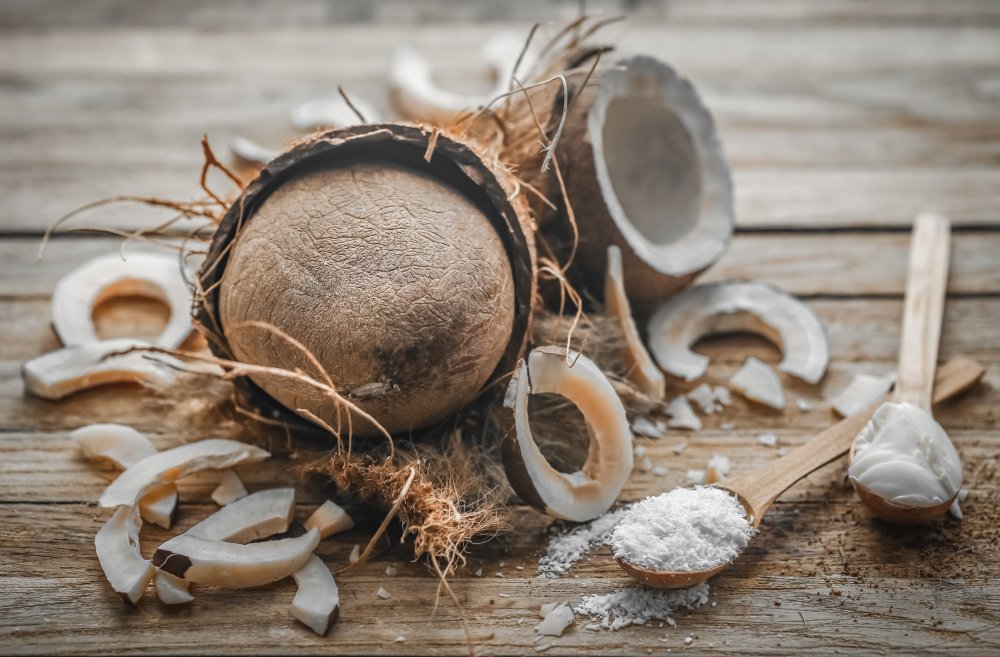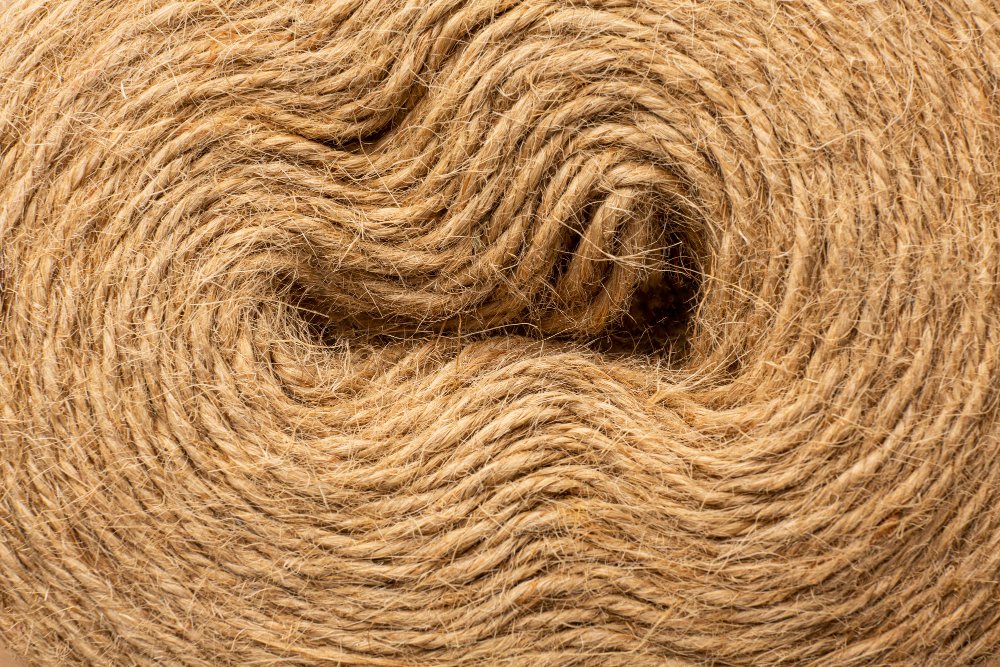
For centuries, coastal communities have harnessed the remarkable strength and resilience of the coconut palm, transforming its fibrous husk into an array of essential tools and materials. Among these, coconut rope stands out as a testament to human ingenuity and the enduring connection between people and nature. This article delves into the traditional weaving techniques that have shaped the production of this remarkable material, highlighting the artistry, skill, and cultural significance embedded within each meticulously crafted strand. Discover the enduring legacy of coconut rope weaving and the vital role it plays in preserving both cultural heritage and sustainable practices.
Unraveling Ancient Coconut Rope Crafts
The history of coconut rope weaving is deeply intertwined with the history of coastal civilizations. Evidence suggests that the practice dates back millennia, with archaeological finds revealing fragments of coconut fiber rope in ancient settlements across the Pacific and Indian Oceans. These early ropes served a multitude of purposes, from securing fishing nets and building shelters to facilitating trade and transportation. The techniques were passed down through generations, evolving subtly based on local needs and available resources. Each community developed its own unique variations, resulting in a fascinating diversity of styles and rope types.
The process begins long before the actual weaving. The initial step involves the careful extraction of the husk fibers from mature coconuts. This is a labor-intensive process, often requiring specialized tools and considerable skill to avoid damaging the valuable fibers. The fibers are then meticulously cleaned and dried, a crucial step in ensuring the rope’s strength and longevity. The quality of the initial preparation directly influences the final product’s durability and aesthetic appeal. This careful preparation underscores the deep respect for the natural resource and the understanding of its inherent properties.
Beyond the practical applications, the creation of coconut rope held significant cultural and spiritual meaning in many societies. The intricate weaving patterns often served as a form of visual storytelling, incorporating symbols and designs that reflected the community’s beliefs, history, and identity. The crafting process itself was frequently associated with rituals and ceremonies, adding a layer of sacredness to the everyday task of rope making. This intertwining of practical function and spiritual significance elevates coconut rope beyond a mere tool, transforming it into a tangible expression of cultural heritage.
The knowledge of traditional coconut rope making was often passed down within families, with skills and techniques meticulously taught from one generation to the next. This oral tradition ensured the preservation of unique methods and designs, creating a rich tapestry of regional variations. The close-knit communities involved in rope making fostered a sense of shared identity and collective responsibility for preserving this valuable craft. Unfortunately, the encroachment of modern materials and industrial processes threatens this age-old tradition, highlighting the urgent need for its preservation.
Mastering the Art of Coconut Fiber Weaving
The art of coconut fiber weaving is not merely a mechanical process; it’s a delicate dance of precision and artistry. Weavers skillfully manipulate the individual fibers, twisting and interlacing them to create strong, resilient ropes of varying thicknesses and textures. The techniques employed vary across different regions, reflecting the unique preferences and needs of each community. Some utilize simple hand-held tools, while others employ more complex devices to aid in the weaving process.
The most fundamental technique involves the twisting of individual fibers to create strands, which are then combined and twisted again to form thicker ropes. The number of strands and the tightness of the twist influence the rope’s strength and flexibility. Master weavers possess an intuitive understanding of fiber tension and can adjust their technique to create ropes tailored to specific applications. This mastery requires years of dedicated practice and a deep understanding of the material’s properties.
Beyond the basic twisting techniques, weavers often incorporate intricate braiding and knotting patterns to enhance the rope’s strength and aesthetic appeal. These decorative elements can be highly complex, reflecting the weaver’s skill and creativity. The patterns themselves often carry symbolic meaning, representing elements of nature, community identity, or spiritual beliefs. This fusion of functionality and artistry elevates coconut rope weaving to a true craft.
Learning these traditional techniques requires patience, dedication, and a willingness to learn from experienced practitioners. The knowledge is often passed down through apprenticeship, with aspiring weavers spending years honing their skills under the guidance of master craftspeople. This hands-on approach ensures the preservation of traditional methods and the continuity of this valuable cultural heritage. The intricate nature of the craft makes it a testament to human ingenuity and the enduring power of traditional skills.
Transforming Fibers into Durable Ropes
The transformation of raw coconut fibers into durable ropes is a multi-stage process that demands both skill and patience. The strength and longevity of the final product depend heavily on the careful preparation of the fibers and the precision of the weaving techniques. The process begins with the selection of high-quality fibers, ensuring that only the strongest and most resilient strands are chosen.
Once the fibers have been thoroughly cleaned and dried, they are often subjected to further treatment to enhance their durability and resistance to water damage. Traditional methods may involve soaking the fibers in natural oils or treating them with herbal preparations to enhance their resistance to rot and decay. These treatments not only increase the rope’s lifespan but also contribute to its overall strength and flexibility.
The actual weaving process is often a collaborative effort, with multiple individuals working together to create longer and thicker ropes. The coordination and precision required to maintain a consistent twist and tension throughout the process are remarkable. The final stage involves inspecting the finished rope to ensure it meets the required standards of strength and durability. Any imperfections are carefully addressed before the rope is deemed ready for use.
The resulting ropes are incredibly versatile, finding applications in a wide range of activities. From securing fishing nets and constructing shelters to tying up livestock and creating decorative items, coconut rope has proven its worth across cultures and generations. Its natural resilience and biodegradability make it an environmentally friendly alternative to synthetic ropes, further enhancing its appeal in today’s world.
Preserving a Legacy of Coastal Craftsmanship
The future of traditional coconut rope weaving depends on our collective efforts to preserve and promote this invaluable craft. The encroachment of mass-produced synthetic ropes poses a significant threat, pushing traditional techniques to the fringes of society. However, there is a growing movement to revive and revitalize this age-old tradition.
Efforts are underway to document and preserve the traditional techniques through workshops, training programs, and the creation of educational resources. These initiatives aim to transmit the knowledge and skills to younger generations, ensuring that the craft continues to thrive. The creation of cooperative ventures and artisan markets provides a platform for weavers to sell their products and earn a livelihood while preserving their cultural heritage.
Supporting local artisans and purchasing handcrafted coconut rope contributes directly to the preservation of this valuable craft. By choosing handcrafted items, we not only support the livelihoods of skilled artisans but also contribute to the maintenance of cultural diversity and the sustainability of traditional practices. This conscious consumerism is vital in ensuring the survival of this ancient tradition.
The preservation of coconut rope weaving is not merely about safeguarding a traditional craft; it’s about preserving a vital connection between people and nature. It’s about recognizing the value of sustainable practices and celebrating the ingenuity and artistry of coastal communities. By embracing and supporting this legacy, we ensure that the rich cultural heritage embodied in each strand of coconut rope continues to flourish for generations to come.
The art of traditional coconut rope weaving is more than just a method of creating a functional tool; it represents a profound connection to the past, a testament to human ingenuity, and a vital link to sustainable practices. By actively supporting and promoting this ancient craft, we ensure its survival and safeguard a rich cultural heritage for future generations. Let us embrace the enduring legacy of coconut rope and celebrate the artistry and skill that have shaped its enduring presence in our world.